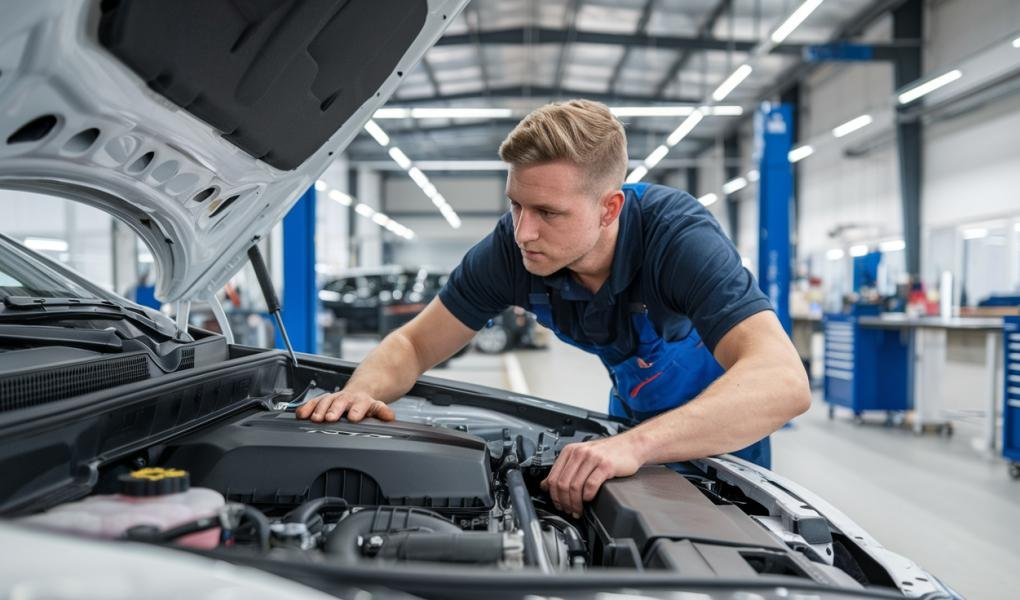
Regular car maintenance is one of the best ways to improve vehicle reliability, reduce unexpected repair bills, and maintain safety on the road. Even a well-built car needs routine inspections and servicing to perform properly.
Whether you drive every day or only occasionally, these ten car maintenance tips can help you protect your investment.
1. Change Engine Oil on Schedule
Engine oil lubricates moving parts, reduces friction, and helps control heat. Over time, it becomes contaminated and loses some of its effectiveness.
Follow the oil-change interval and oil specifications recommended in your owner’s manual. Driving conditions, engine type, and oil quality can affect how frequently the oil needs changing.
2. Check Tire Pressure Regularly
Incorrect tire pressure can affect handling, braking, fuel efficiency, and tire wear.
Check tire pressure when the tires are cold and follow the manufacturer’s recommended pressure, usually shown on a label inside the driver’s door or in the owner’s manual. Do not automatically use the maximum pressure printed on the tire sidewall.
3. Inspect Your Tires
Look for uneven tread wear, cracks, bulges, punctures, and other visible damage. Tires with insufficient tread may provide less grip, particularly on wet roads.
Rotate the tires according to the manufacturer’s recommendations and replace damaged or excessively worn tires promptly.
4. Test Your Brakes
Brakes are among the most important safety systems in your vehicle. Pay attention to squealing, grinding, vibration, a soft brake pedal, or a vehicle that pulls to one side while braking.
If you notice these symptoms, have the braking system inspected by a qualified mechanic. Do not ignore warning lights.
5. Maintain the Battery
A weak battery can leave you stranded, particularly in extreme temperatures. Check the battery terminals for corrosion and look for signs of swelling, leakage, or damaged cables.
If the engine cranks slowly or the battery repeatedly loses charge, arrange a battery and charging-system test.
6. Check Coolant and Other Fluids
Coolant helps regulate engine temperature, while brake fluid, transmission fluid, and windshield washer fluid serve other important purposes.
Check fluid levels as instructed in your owner’s manual. Never open a hot cooling system because pressurized coolant can cause severe burns.
7. Replace Air Filters When Needed
A clogged engine air filter can restrict airflow, while a dirty cabin air filter may reduce ventilation and affect cabin air quality.
Inspection and replacement intervals vary depending on the vehicle and driving environment. Dusty roads may require more frequent checks.
8. Keep Your Car Clean
Washing your car removes dirt, road salt, bird droppings, and other contaminants that can damage the paintwork. Cleaning the interior also helps protect seats, carpets, and dashboard surfaces.
In areas with heavy pollution or corrosive road conditions, regular cleaning is particularly useful.
9. Follow the Service Schedule
Your owner’s manual provides recommended inspection and replacement intervals for important components. These may include spark plugs, belts, filters, transmission components, and timing belts where fitted.
Keeping service records helps you track maintenance and may support resale value.
10. Pay Attention to Warning Lights
Dashboard warning lights can indicate anything from a minor maintenance reminder to a serious mechanical problem.
Consult your owner’s manual to understand each warning. If the oil-pressure or engine-temperature warning indicates an immediate problem, stop safely and switch off the engine when appropriate. Arrange professional assistance rather than continuing to drive and risking further damage.
Frequently Asked Questions
How often should a car be serviced?
Follow the schedule specified by your vehicle manufacturer. The correct interval varies by model, age, mileage, and driving conditions.
Can regular maintenance improve fuel economy?
Yes. Correct tire pressure, appropriate engine servicing, and properly functioning components can help a vehicle operate efficiently.
Which maintenance tasks can beginners do?
Many owners can check tire pressure, inspect lights, monitor fluid levels, and keep the vehicle clean. Consult your manual and use a qualified mechanic for work requiring specialist tools or training.
Conclusion
Preventive maintenance helps keep your car dependable, comfortable, and safe. Follow the manufacturer’s schedule, address warning signs early, and keep accurate service records to reduce the risk of expensive surprises.
