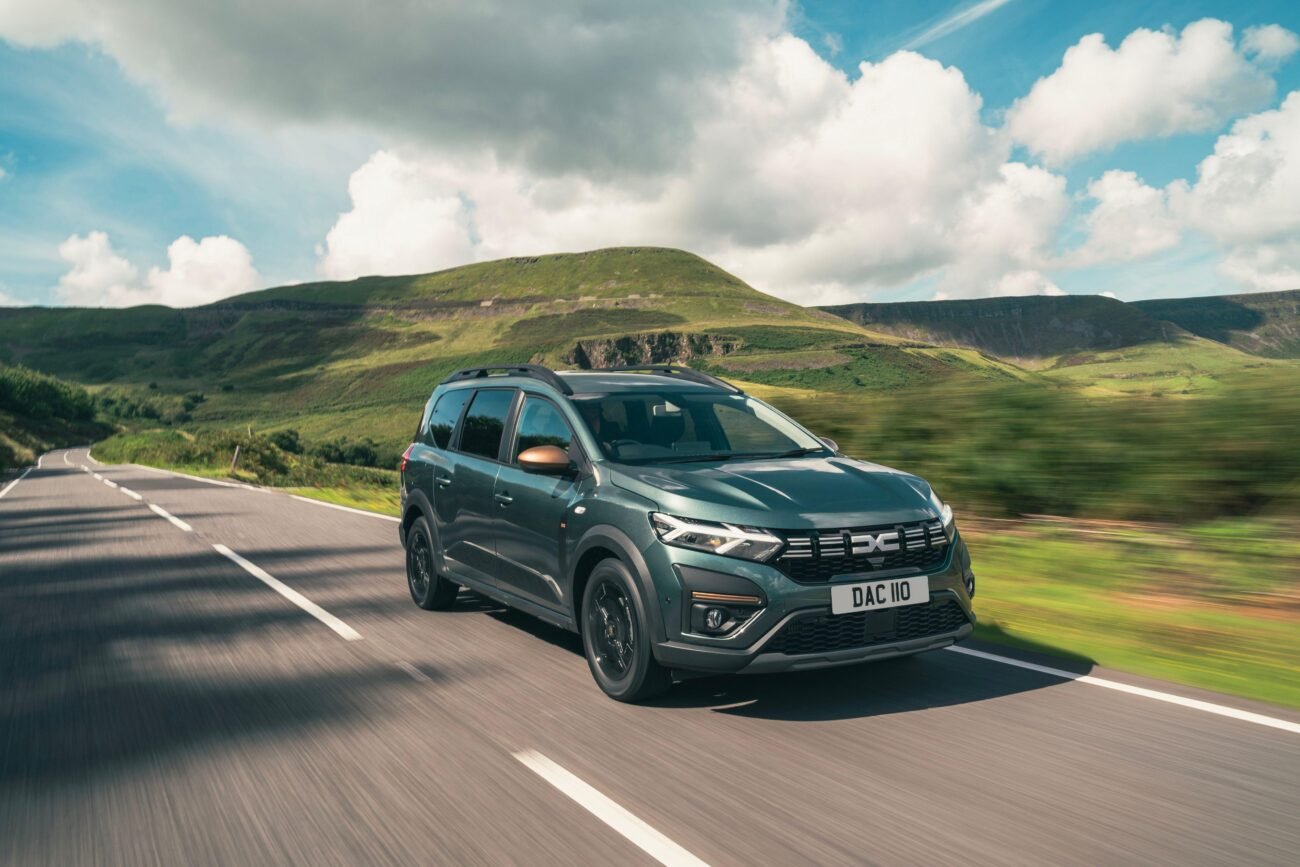
Buying a car is an important financial decision. Whether you need a vehicle for daily commuting, family trips, or long-distance travel, choosing the right car can save money and make driving more comfortable. With so many models and features available in 2026, buyers should compare more than just the purchase price.
This guide explains how to choose a car that matches your budget, lifestyle, and driving needs.
1. Decide Your Budget Before Buying
Start by deciding how much you can comfortably spend. Remember that the total cost of owning a car includes more than its showroom price. You should also consider insurance, fuel, maintenance, registration, parking, and possible loan interest.
If you are buying a car on finance, calculate the monthly payment and make sure it fits your regular budget.
2. Choose the Right Type of Car
Different vehicles serve different purposes.
- Hatchbacks: Suitable for city driving, parking in tight spaces, and buyers looking for compact vehicles.
- Sedans: Offer a traditional car design, comfortable seating, and a separate boot.
- SUVs: Often provide higher ground clearance, flexible cargo space, and a commanding driving position.
- MPVs: Useful for larger families who need additional seating.
- Electric cars: Can reduce petrol or diesel expenses when charging is affordable and convenient.
Your daily driving conditions should influence your decision more than trends or advertisements.
3. Compare Fuel Efficiency
Fuel economy can significantly affect long-term ownership costs. If you drive long distances regularly, a fuel-efficient petrol, diesel, hybrid, or electric vehicle may help you save money.
Do not rely only on advertised mileage figures. Actual efficiency depends on traffic, road conditions, driving style, vehicle load, and maintenance.
4. Check Safety Features
Safety should be a priority for every buyer. Compare crash-test ratings where available and check for features such as airbags, electronic stability control, anti-lock braking systems, rear parking sensors, and automatic emergency braking.
Advanced driver assistance features can be helpful, but they do not replace careful driving.
5. Consider Comfort and Technology
Before purchasing, test the driving position, seat comfort, visibility, air conditioning, infotainment system, and boot capacity. Families may need rear-seat space, child-seat compatibility, and additional storage.
Take a test drive on roads similar to those you normally use.
6. Research Maintenance and Resale Value
A car with a low purchase price may still be expensive to maintain. Research service costs, spare-part availability, warranty coverage, and the manufacturer’s service network.
Resale value also matters if you plan to sell or upgrade your vehicle in a few years. Popularity, condition, mileage, service history, and local demand can all affect resale prices.
7. Should You Buy New or Used?
A new car usually offers a fresh warranty, the latest available equipment, and a known ownership history. A used car may offer better value, but it requires careful inspection.
For a used vehicle, verify its documents, service history, ownership details, accident history, and outstanding finance where applicable. Consider an independent mechanical inspection before paying.
Frequently Asked Questions
Which car is best for daily use?
The best option depends on your budget, commute, parking conditions, fuel costs, and passenger requirements.
Is an SUV better than a hatchback?
An SUV may provide more space and ground clearance, while a hatchback can be easier to park and may cost less to operate.
What should I check before buying a car?
Compare the total ownership cost, safety features, reliability, comfort, warranty, and expected resale value.
Conclusion
The best car to buy in 2026 is the one that meets your needs without putting unnecessary pressure on your finances. Compare several models, research ownership costs, inspect safety equipment, and take a test drive before making your final decision.
