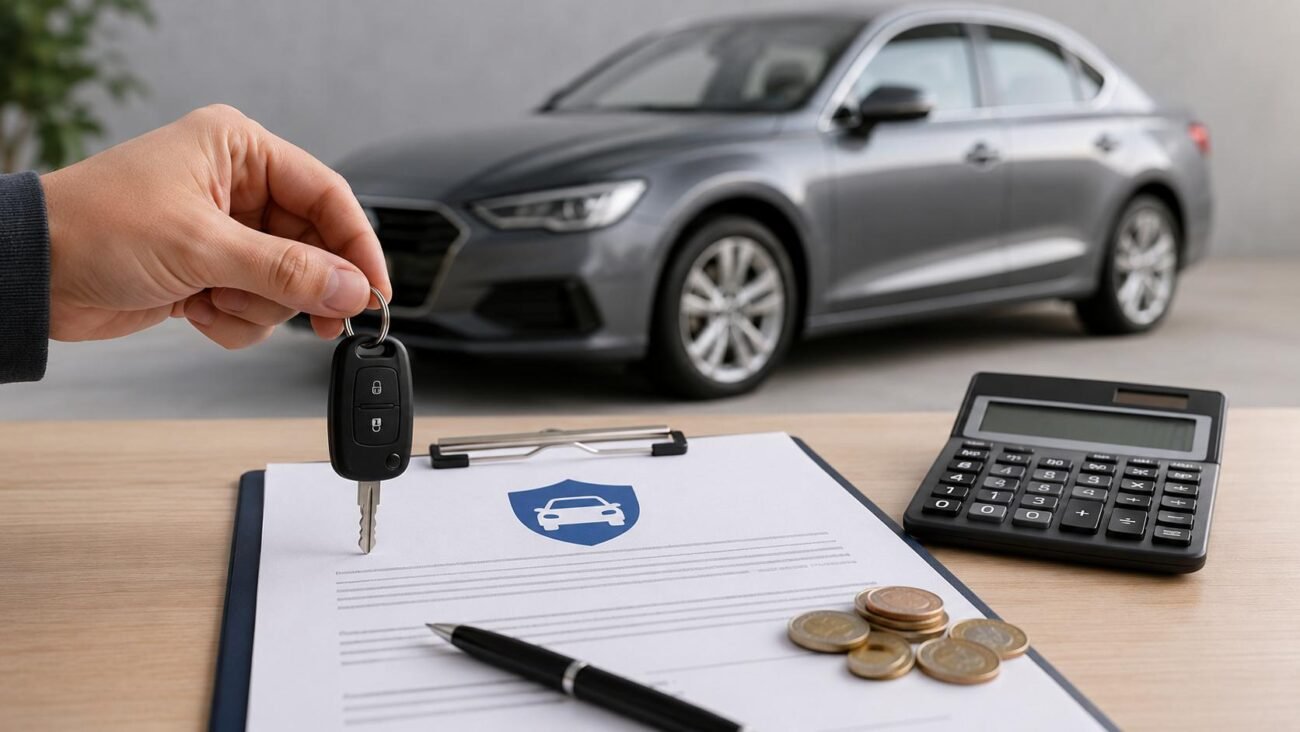
Car insurance is an important part of responsible vehicle ownership. It can help protect you from certain financial losses caused by accidents, theft, and other covered events. Choosing the right policy requires understanding the available coverage, exclusions, premium costs, and claim process.
This car insurance guide for 2026 explains the basics and shares practical ways to choose suitable coverage.
1. What Is Car Insurance?
Car insurance is an agreement between a vehicle owner and an insurance company. In exchange for a premium, the insurer provides specified financial protection under the policy’s terms and conditions.
Depending on the policy, coverage may include third-party liability, damage to your own vehicle, theft, and certain natural or accidental events.
The exact protection depends on the policy wording, applicable laws, and selected add-ons.
2. Understand the Main Types of Car Insurance
Third-Party Car Insurance
Third-party insurance covers specified legal liabilities arising from injury, death, or property damage caused to other people, subject to policy terms and applicable law.
In India, third-party motor insurance is generally mandatory for vehicles used on public roads.
This coverage does not normally pay for damage to your own car.
Comprehensive Car Insurance
Comprehensive policies generally combine third-party liability coverage with protection for damage to your own vehicle from covered events.
Depending on the policy, these events may include accidents, fire, theft, and certain natural disasters.
Read the exclusions carefully because comprehensive insurance does not mean every possible loss is covered.
Own-Damage Insurance
An own-damage policy can cover specified damage to your vehicle. It may be purchased alongside a separate third-party policy, subject to applicable rules and insurer requirements.
This option may suit owners who already have third-party coverage but want additional protection for their own vehicle.
3. What Affects Car Insurance Premiums?
Insurance premiums vary according to several factors, including:
- Vehicle make, model, age, and insured value.
- Vehicle location and applicable rating factors.
- Selected coverage and optional add-ons.
- Claims history and applicable discounts.
- Deductibles and other policy conditions.
A lower premium is not always the best deal. A policy with limited coverage or a high deductible could leave you paying more when a claim occurs.
4. How to Choose the Right Coverage
Start by understanding the legal requirements in your country or state. Then consider your vehicle’s value, how often you drive, where you park, and whether you could comfortably pay for repairs yourself.
For a newer or expensive car, own-damage protection may be especially valuable. For an older vehicle, compare the annual premium with the car’s market value and likely repair expenses.
Always check policy limits, exclusions, deductibles, and claim requirements before purchasing.
5. Ways to Save Money on Car Insurance
Compare Multiple Quotes
Request quotations from several insurers using the same coverage requirements. Compare the benefits and exclusions rather than choosing solely by price.
Maintain a Good Driving Record
Safe driving can reduce accident risk and may help you qualify for applicable discounts.
Review Optional Add-Ons
Add-ons such as zero-depreciation cover, roadside assistance, or engine protection may be useful in specific circumstances. Select them according to your vehicle, location, and needs.
Choose Deductibles Carefully
A deductible is the amount you may have to pay toward a covered claim. A higher deductible can sometimes reduce premiums, but only choose one you can afford.
Avoid Unnecessary Gaps in Coverage
Renew your policy on time and keep the required insurance documents accessible. Continuous coverage can help you avoid driving uninsured and may preserve eligibility for certain benefits, depending on the applicable rules.
6. What Is a No-Claim Bonus?
In India, a no-claim bonus (NCB) is generally a discount on the own-damage premium for eligible claim-free policy periods.
The bonus is subject to insurer rules and policy conditions. It should not be confused with a reduction in the mandatory third-party premium.
Before making a small claim, consider the repair cost, applicable deductible, and potential effect on your NCB. Ask your insurer to explain the financial implications.
7. How to Make a Car Insurance Claim
If an accident occurs, first protect yourself and others. Contact emergency services when necessary and follow local reporting requirements.
Then:
- Notify your insurer promptly.
- Document the incident with photographs and relevant details when safe.
- Submit the required claim form and supporting documents.
- Arrange an inspection or assessment as directed.
- Follow the insurer’s instructions before authorising repairs.
- Review the settlement details and any applicable deductions.
Never provide false information or submit fabricated documents. Accurate records help the insurer assess your claim fairly.
Frequently Asked Questions
Is car insurance mandatory in India?
Third-party motor insurance is generally mandatory for vehicles used on public roads in India. Check the latest applicable legal requirements for your vehicle.
Which is better: third-party or comprehensive insurance?
Third-party insurance addresses specified liabilities to others. Comprehensive coverage generally also protects your own vehicle against covered damage, making it worth considering if you need broader financial protection.
Can I change my car insurance company?
Yes, subject to the applicable rules and insurer procedures. Compare the new policy carefully and avoid a gap in required coverage.
Does car insurance cover every accident?
No. Coverage depends on policy terms, exclusions, deductibles, limits, and the circumstances of the incident.
Conclusion
Choosing suitable car insurance means balancing affordability with meaningful protection. Compare multiple insurers, understand the difference between third-party and own-damage coverage, and review policy exclusions before purchasing. A well-chosen policy can help reduce the financial impact of unexpected vehicle-related events.
