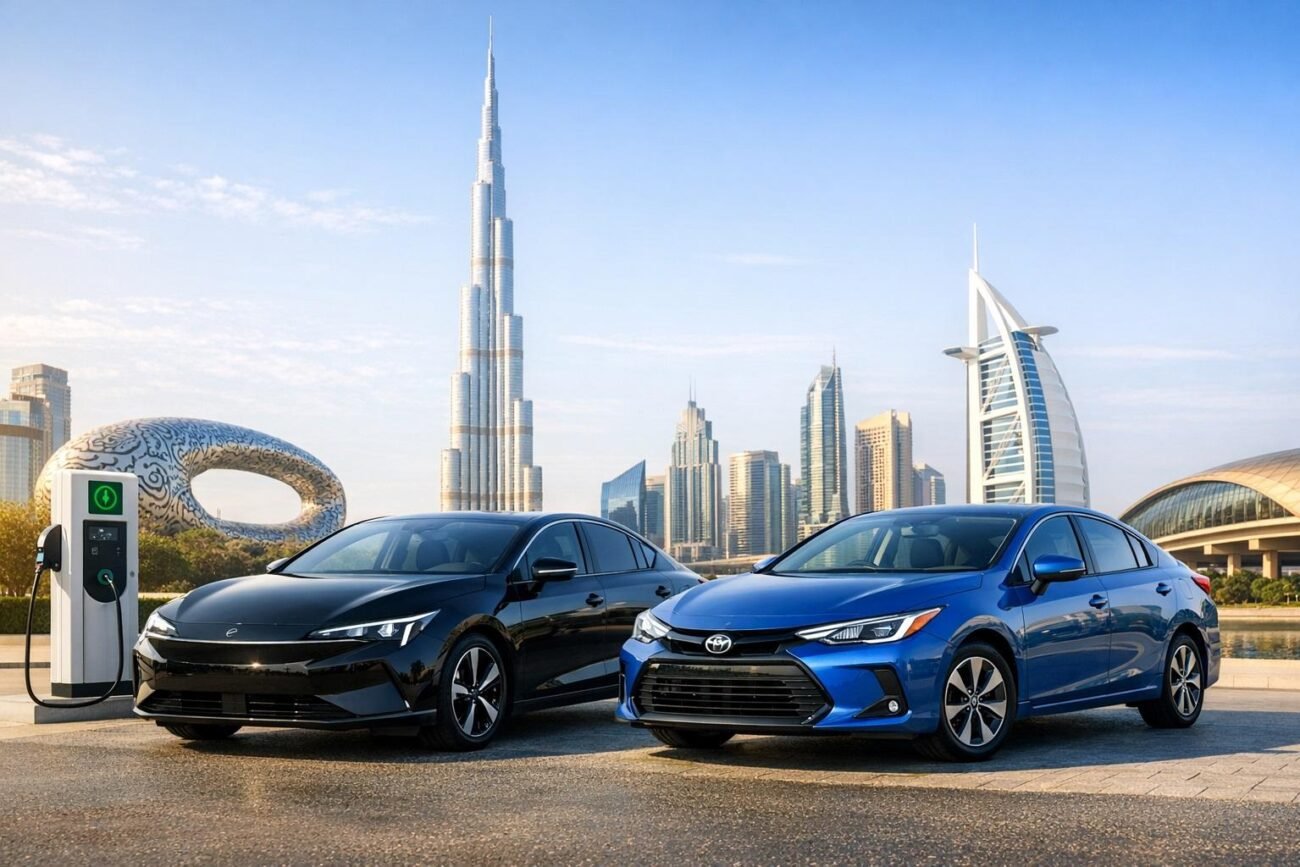
Choosing between an electric car and a petrol car is an important decision for modern drivers. Both options offer advantages, but the right choice depends on your budget, driving habits, access to charging, and local conditions.
In 2026, electric vehicles continue to attract attention because of their quiet operation and potential energy savings. Petrol cars remain practical for many drivers because refuelling is quick and petrol stations are widely available in many regions.
Let’s compare the main differences.
1. Purchase Price
The upfront price of an electric car depends on its battery size, range, equipment, and manufacturer. Some electric models cost more than comparable petrol vehicles, although pricing varies by market.
Petrol cars are available across a wide range of budgets, including affordable entry-level models and premium vehicles.
When comparing prices, check available incentives, registration charges, financing costs, and warranty coverage rather than focusing only on the advertised price.
2. Running Costs
Electric cars convert electrical energy into movement efficiently and may cost less to operate per kilometre when charging prices are favourable.
Petrol cars require regular fuel purchases, and their running costs depend on engine efficiency, petrol prices, and driving conditions.
To compare both options, estimate your annual distance and calculate the energy or fuel required. Include public charging fees if you cannot charge at home.
3. Charging vs Refuelling
Petrol cars are convenient when you need a quick stop to refill the tank. Charging an electric car takes longer and depends on battery size, charger capacity, vehicle compatibility, and the battery’s current state of charge.
Home charging can be convenient for people with suitable parking and electrical infrastructure. Drivers who depend entirely on public chargers should research station availability and reliability along their regular routes.
4. Driving Range
The distance an electric car can travel on a charge varies by model, weather, speed, terrain, and air-conditioning use.
Petrol vehicles also have different ranges, depending on tank size and fuel economy.
If you regularly drive long distances, compare real-world range estimates and the availability of charging or refuelling stops along your routes.
5. Maintenance Requirements
Electric cars have fewer routine powertrain service items because they do not need engine oil changes and have fewer moving parts in their drive systems. However, they still require tire inspections, brake checks, cabin-filter replacement, coolant servicing where applicable, and other scheduled maintenance.
Petrol cars need engine-related maintenance, including oil and filter changes, along with checks of their ignition and exhaust systems.
Repair costs for either type depend on the model, parts availability, warranty, and technician expertise.
6. Environmental Impact
Electric cars produce no tailpipe exhaust emissions while driving. Their overall environmental impact also depends on electricity generation, battery production, vehicle manufacturing, and battery life.
Petrol cars release exhaust emissions during operation. Their total environmental impact depends on fuel consumption, manufacturing, and how much they are driven.
Both options involve environmental trade-offs, but electric vehicles can reduce local tailpipe pollution.
7. Performance and Comfort
Electric cars often deliver immediate acceleration and quiet operation. Their batteries can contribute to a low centre of gravity, depending on the design.
Petrol vehicles offer a familiar driving experience, and buyers can choose from a broad variety of engine types and vehicle classes.
A test drive is the best way to compare comfort, handling, cabin noise, and performance.
8. Which Car Is Better for Indian Drivers?
An electric car may suit you if you have dependable charging access, drive predictable daily distances, and can manage the purchase price.
A petrol car may be more practical if you frequently travel through areas with limited charging infrastructure or need the flexibility of quick refuelling.
Also consider the availability of service centres, local electricity tariffs, petrol prices, and any government incentives that apply to your location.
Frequently Asked Questions
Are electric cars cheaper to run?
They can be, particularly when home charging is affordable. Compare actual electricity costs, public charging fees, fuel prices, and maintenance expenses.
Can an electric car be used for long-distance travel?
Yes, provided its range and charging network suit your route. Plan charging stops before departure.
Do electric cars require maintenance?
Yes. They still need inspections, tire care, brake maintenance, and manufacturer-recommended servicing.
Conclusion
Neither electric nor petrol cars are best for everyone. Electric vehicles can offer efficient, quiet driving and convenient home charging, while petrol vehicles provide quick refuelling and broad infrastructure access. Compare the total ownership cost and your real-world travel needs before deciding.
